May 26, 2026
What to Know Before Buying a Farm Near Nashville
Buying a farm near Nashville? Here's what experienced land brokers want you to understand about soil, water, infrastructure, and the realities of farm ownership in Middle Tennessee.
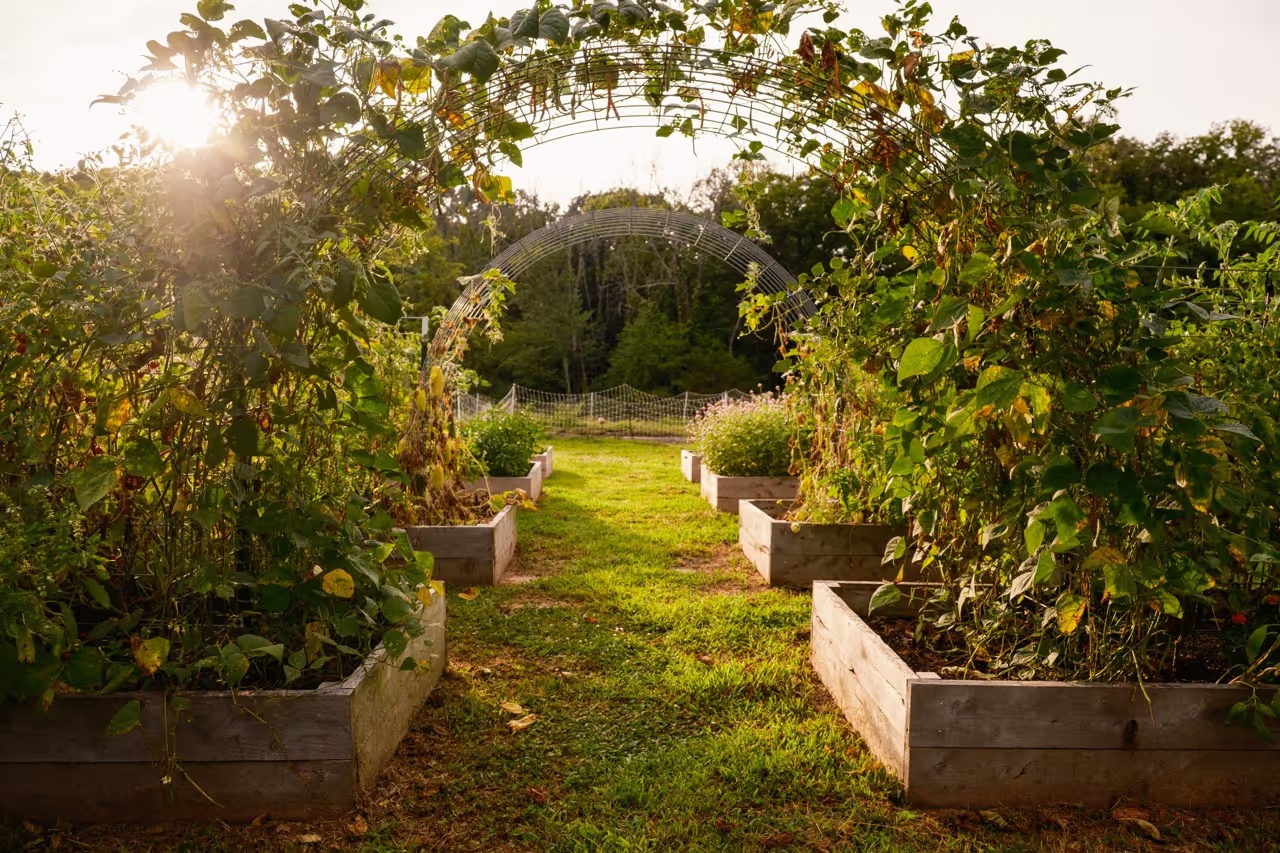
There's a moment in almost every farm search when the dream collides with the details. The rolling pasture looks perfect from the road. The barn photographs well. The price feels right for the acreage. And then someone asks the question that changes everything: what are you actually planning to do with this land?
That question matters more than most buyers expect, and answering it well is the difference between a farm that works for your life and one that works against it.
Not Every Farm Is the Same Kind of Farm
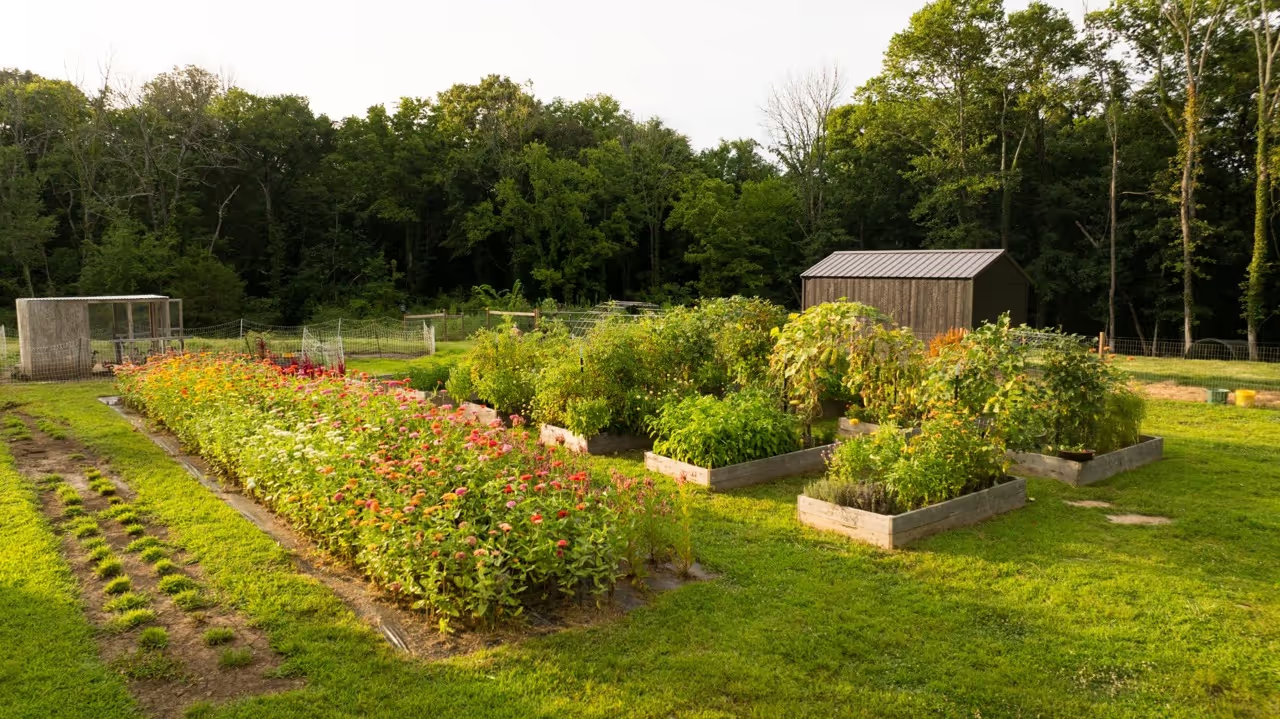
The word "farm" covers an enormous range of properties near Nashville, and buyers who treat them interchangeably tend to run into problems. A working cattle operation with established pasture, cross-fencing, and a hay barn is a fundamentally different purchase than a gentleman's farm with manicured acreage and a renovated farmhouse. Both show up under "farms for sale near Nashville," but they serve different purposes and require different levels of involvement.
In Middle Tennessee, you'll generally encounter a few categories. Working agricultural operations with income-producing potential through cattle, hay, or row crops. Equestrian properties with infrastructure built around horses — stalls, arenas, paddocks, and riding trails. Lifestyle or gentleman's farms where the land is maintained but not actively farmed. And legacy properties where the acreage, views, and privacy are the primary value, with farming as an option rather than a requirement.
Knowing which category you're after before you start looking saves significant time and prevents you from evaluating a working farm by lifestyle-property standards or vice versa.
What to Evaluate Beyond the Listing Photos
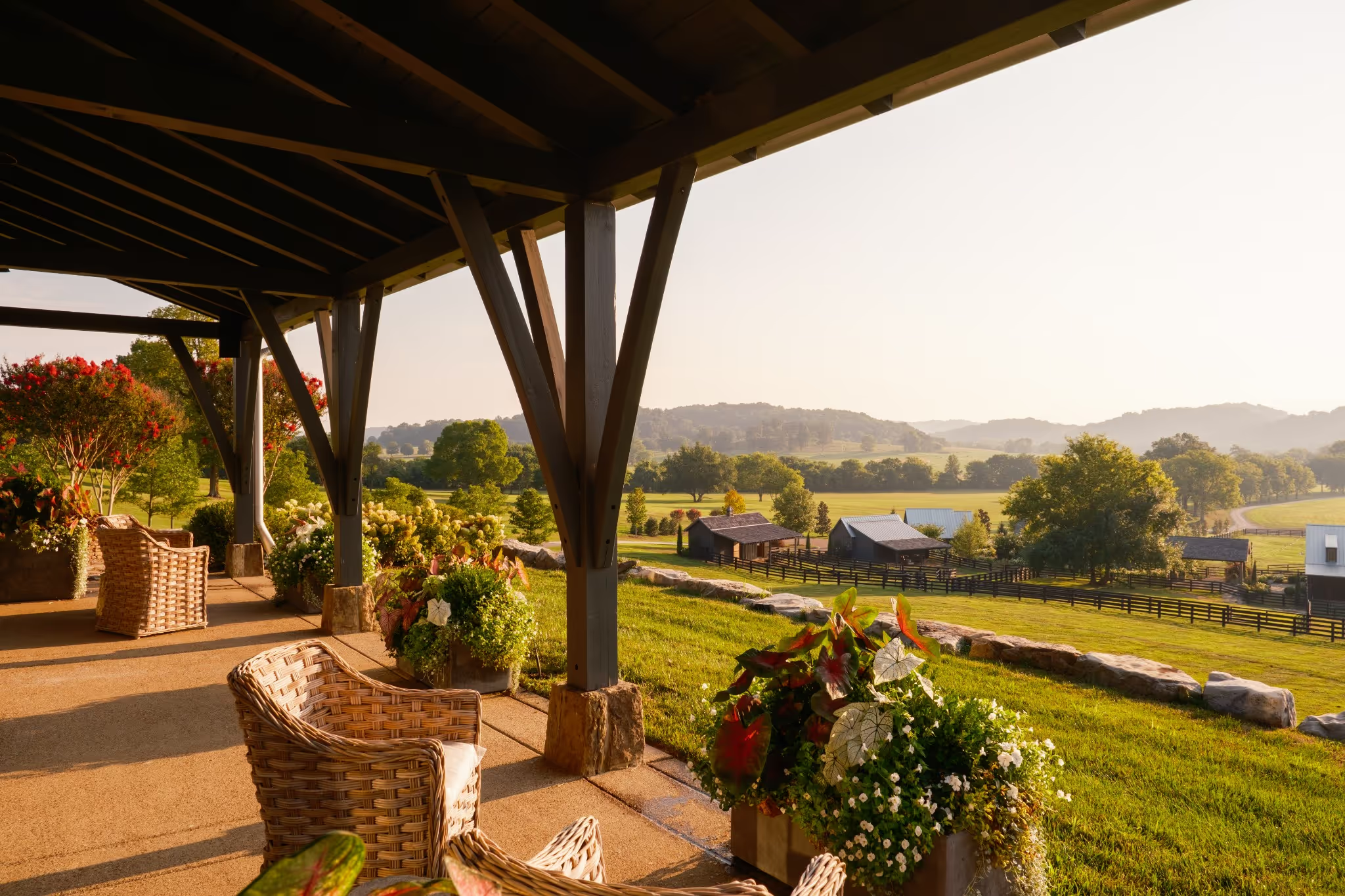
Farm purchases require a different eye than residential real estate. A few things experienced buyers prioritize early in the process:
Water. Year-round water access is one of the most valuable features a Middle Tennessee farm can have. Creeks, springs, and ponds affect everything from livestock management to property value to future development options. Seasonal streams that dry up in August look great in April listing photos but create real operational challenges.
Soil and topography. The rolling terrain that makes this region beautiful also means not every acre is equally productive. Bottom land along creeks tends to be the richest soil but can flood. Ridge tops offer views and homesites but may not support pasture without significant work. Understanding the ratio of usable to non-usable acreage on a given tract is critical to evaluating price per acre accurately.
Fencing and infrastructure. Replacing perimeter fencing on a 50-acre farm is a five-figure expense. Cross-fencing for rotational grazing adds more. Barns, run-in sheds, equipment storage, and road access all factor into the true cost of getting a farm operational. A property priced $200,000 below a comparable tract might cost more than that in infrastructure to bring up to the same standard.
Road frontage and access. County road access, private easements, and shared drives all carry different implications for daily use, emergency access, and future subdivision potential. In rural Williamson, Maury, and Dickson counties, the specifics of access can significantly affect both usability and resale value.

The Nashville Corridor Advantage
There's a reason farm buyers keep coming back to Middle Tennessee, and it's not just the scenery. The Nashville corridor offers something that very few metro areas in the Southeast can match: genuine agricultural land within 30 to 60 minutes of a major city's infrastructure.
That proximity drives demand, but it also provides practical advantages. Access to veterinary services, feed suppliers, equipment dealers, and agricultural co-ops is strong throughout the region. Medical facilities, airports, and the cultural amenities that matter to relocating buyers are close without being on top of you. And the land itself benefits from Tennessee's climate — a long growing season, reliable rainfall, and mild enough winters to support year-round grazing in most years.
For out-of-state buyers, particularly those coming from the Northeast, West Coast, or Florida, the combination of acreage, affordability relative to comparable markets, and quality of life is difficult to find elsewhere. That's reflected in a market where well-located farms near Nashville move quickly and often trade through relationships before reaching a public listing.

Why the Right Broker Matters More on Farm Purchases
Buying a farm is not the same as buying a house, and the brokerage you work with should reflect that difference. A residential agent can help you evaluate a kitchen renovation. A land specialist can tell you whether the creek on a property runs year-round, whether the fencing will hold cattle, and whether the soil on the back 20 acres will support the pasture you're envisioning.
At Covey Rise, every member of the team is either a landowner or has direct experience managing agricultural property. That's not a marketing line — it's a practical advantage when you're standing on a ridge trying to decide whether 80 acres at a certain price is a strong buy or an expensive lesson.
The best farm purchases start with clarity about what you want the land to do, continue with honest evaluation of what a specific property can deliver, and close with confidence that the numbers, the infrastructure, and the long-term trajectory all line up.
Explore what's available: View farms for sale near Nashville →
Considering a specific area? The best areas to buy land near Nashville →
Ready to start your search? Talk to a Covey Rise land specialist →
Covey Rise Properties specializes exclusively in premium Tennessee land, farms, equestrian, and estate properties. Based in Franklin, our team of land specialists serves clients throughout Middle Tennessee. As a top 1% producer in Tennessee land sales volume, we bring unmatched expertise to every transaction.